

Estelas del Usumacinta
       
     
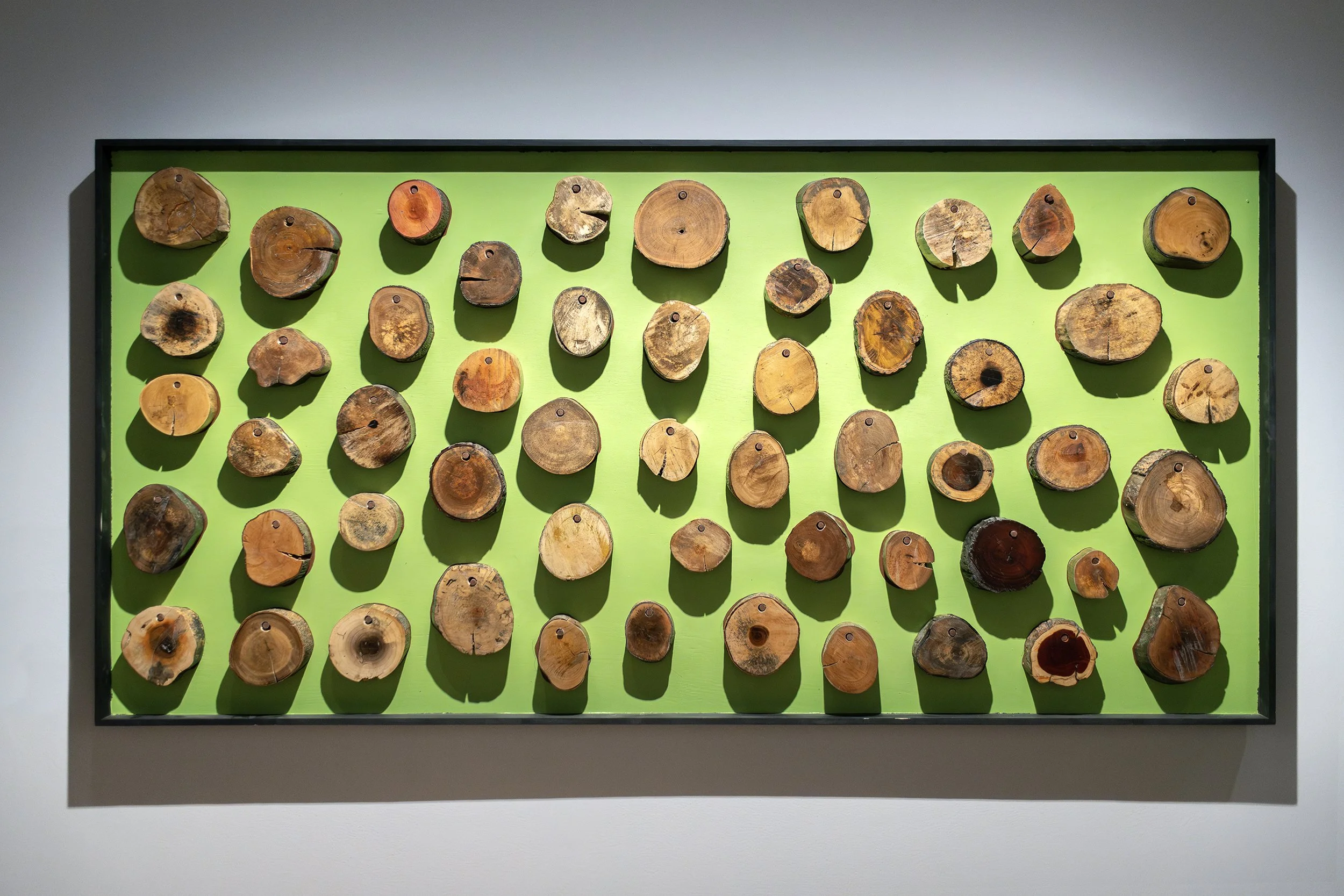
 Today, the Usumacinta basin faces the consequences of a long history of extraction and predation. For more than a century, its trees were felled for tropical timber and  chicle . Its stones were cut out and transported to museums and private collect
       
     
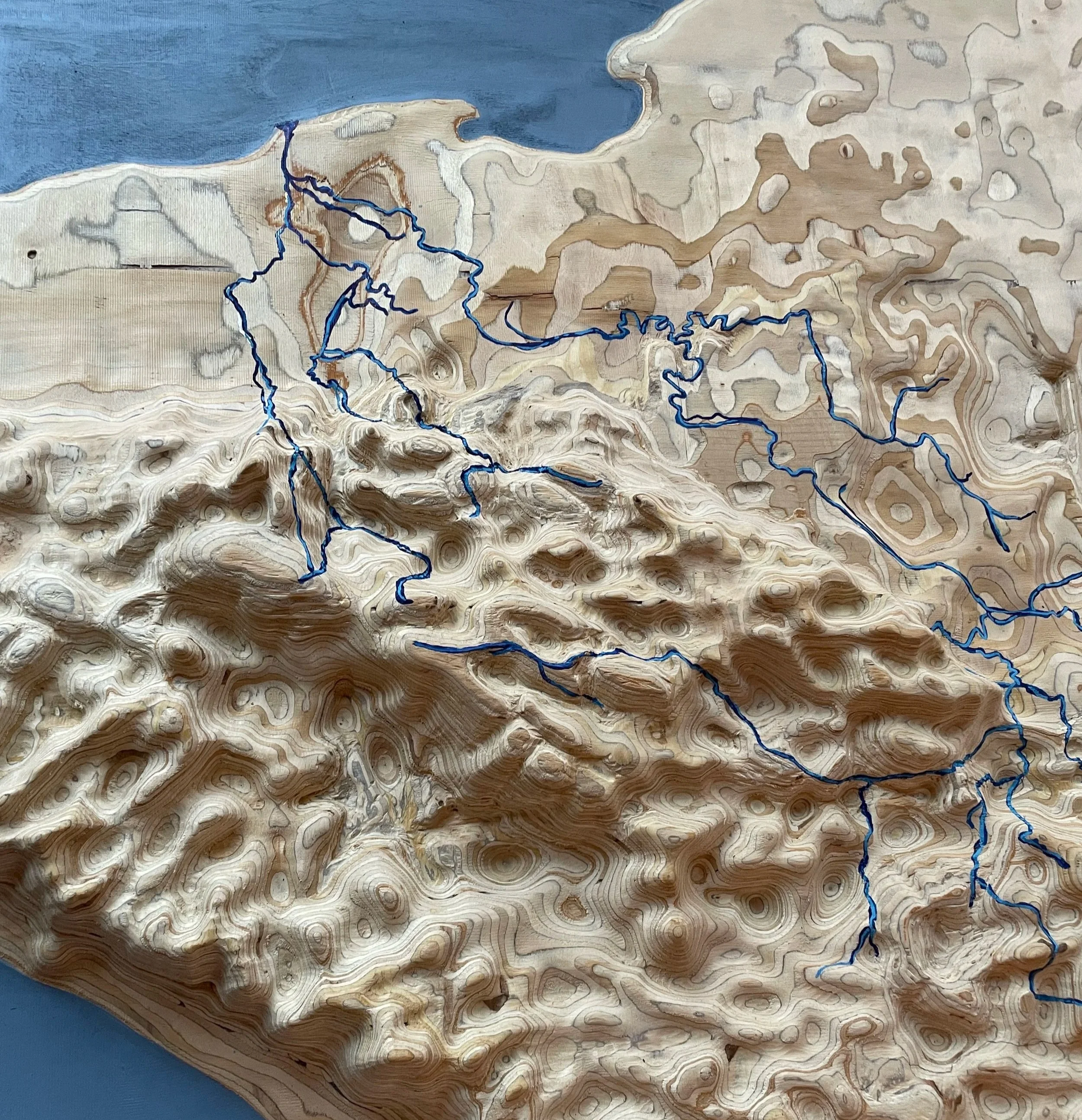
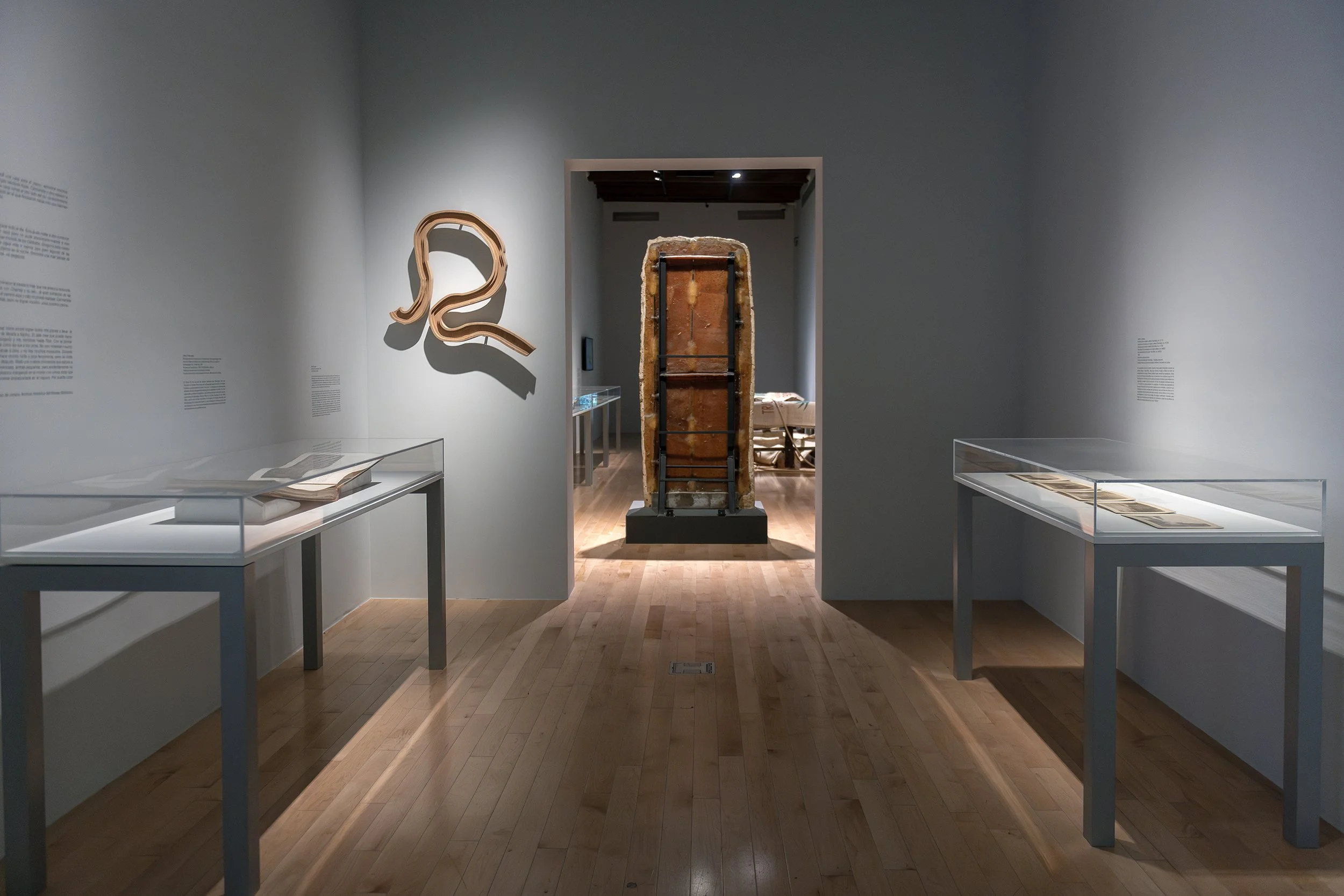
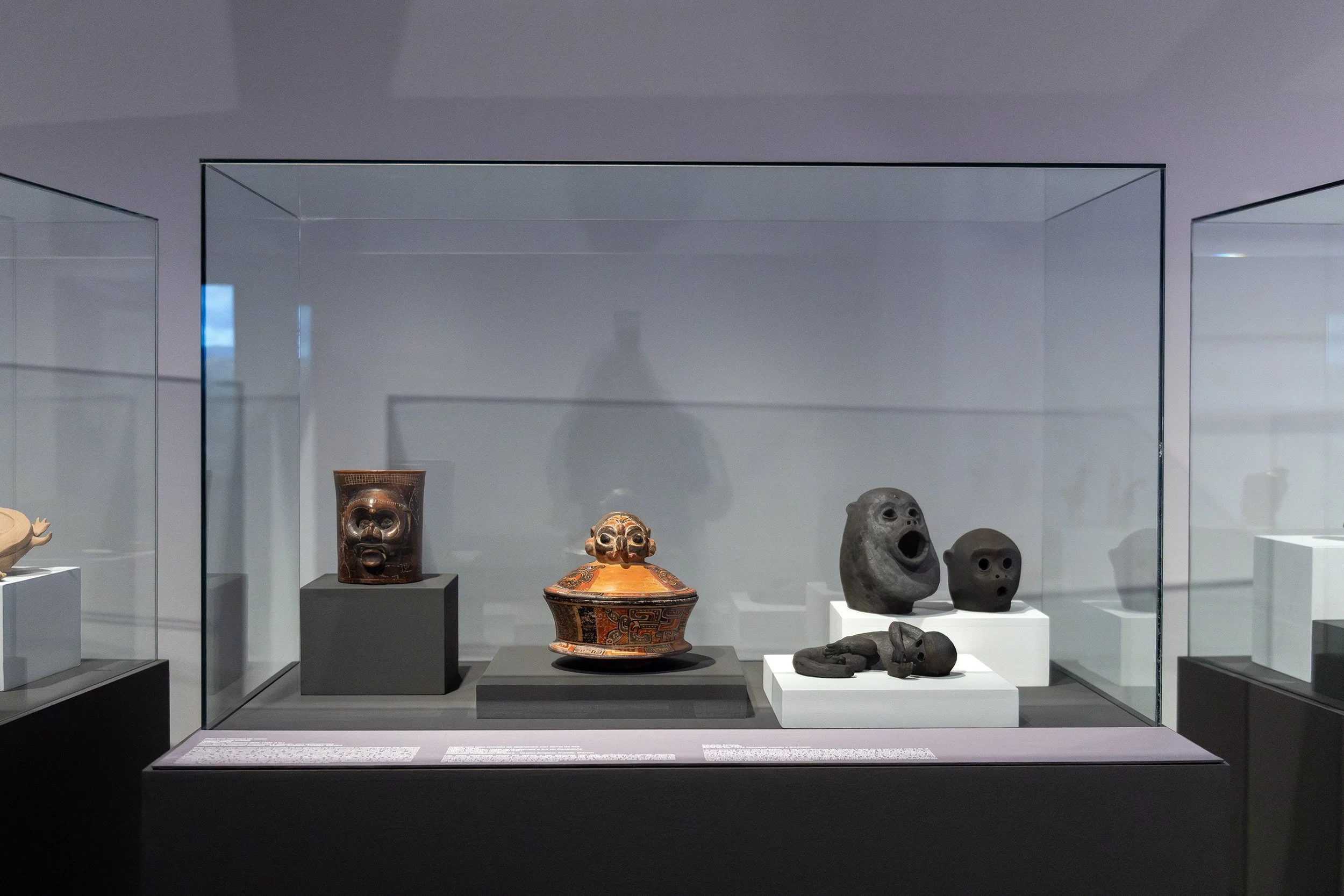
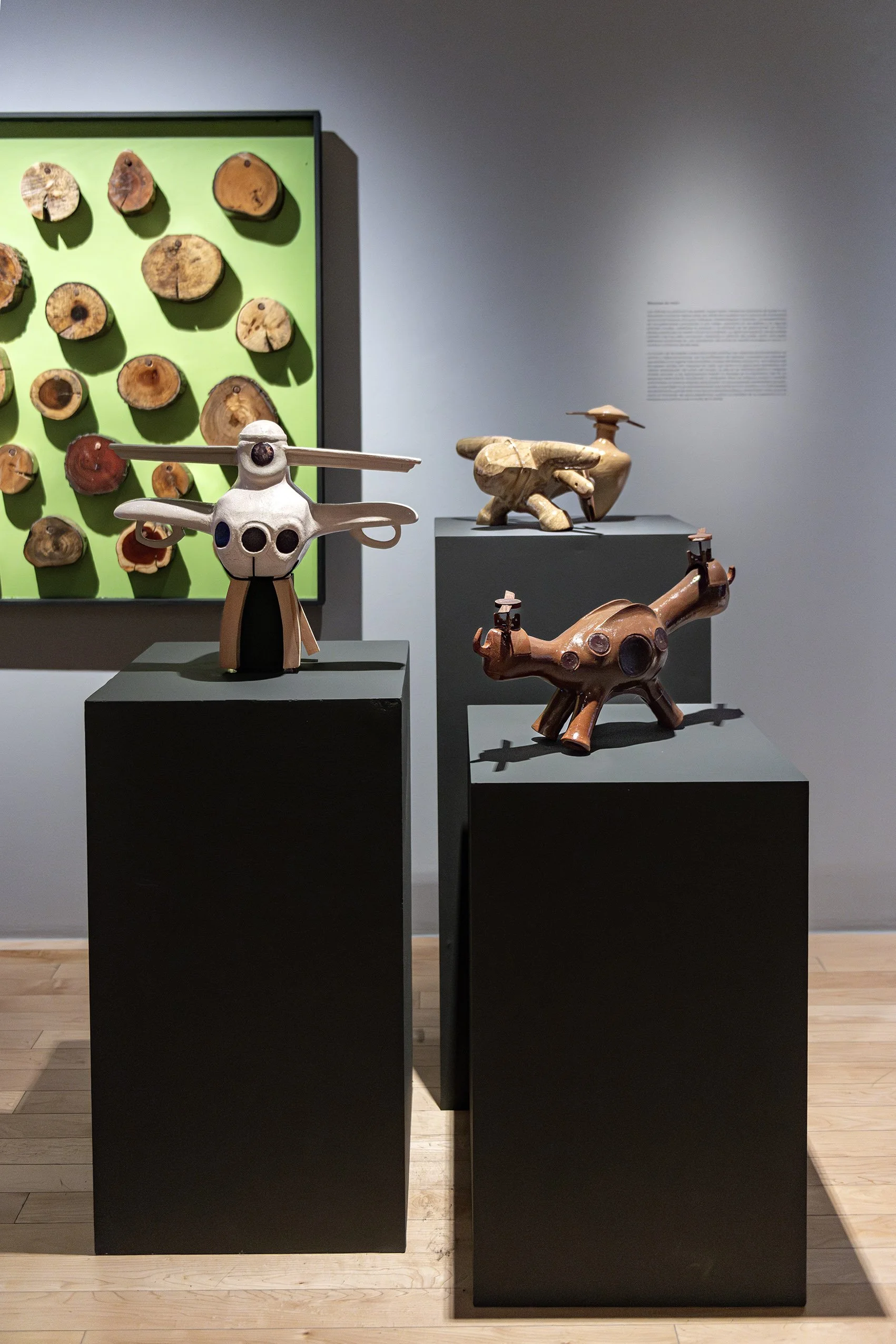
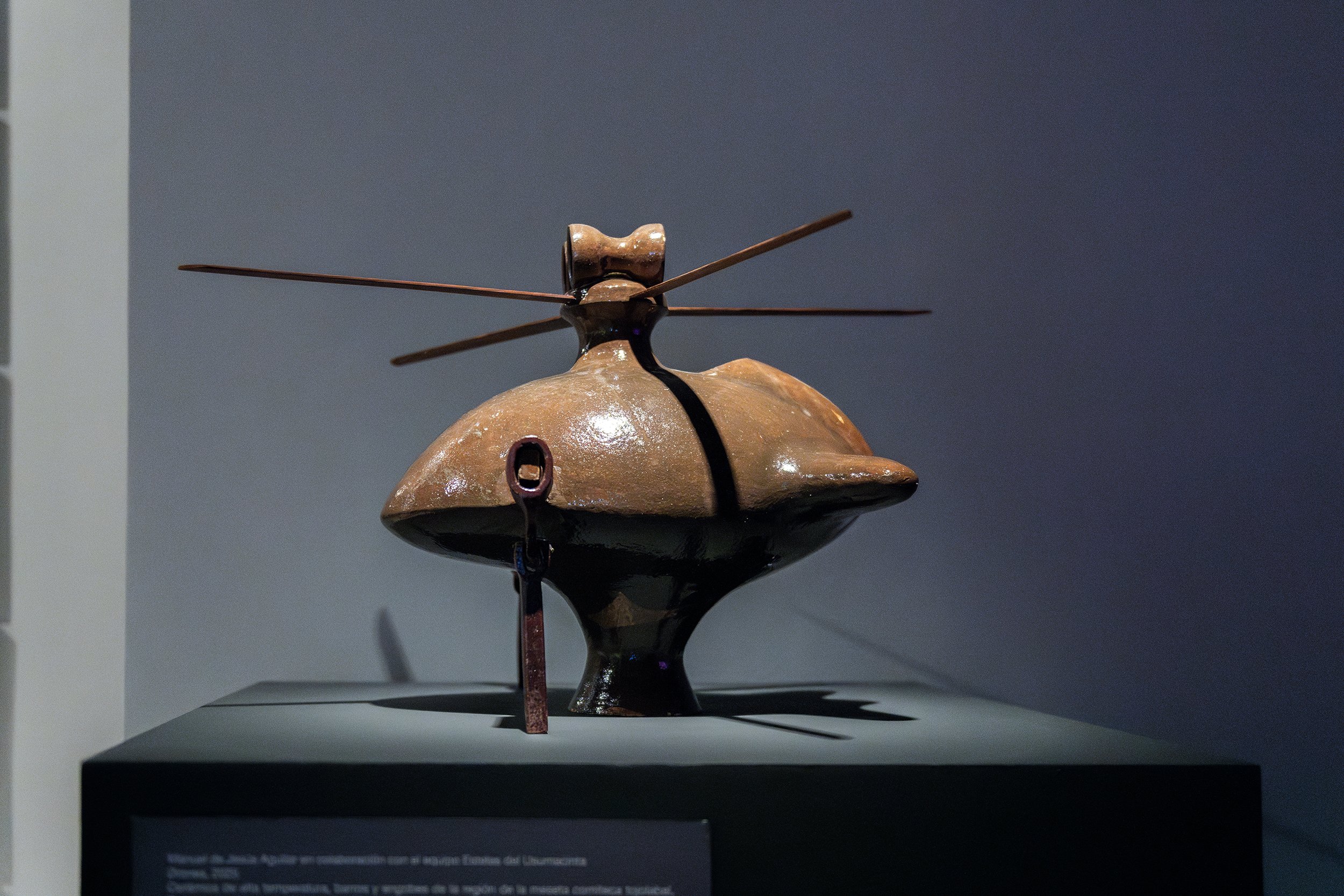
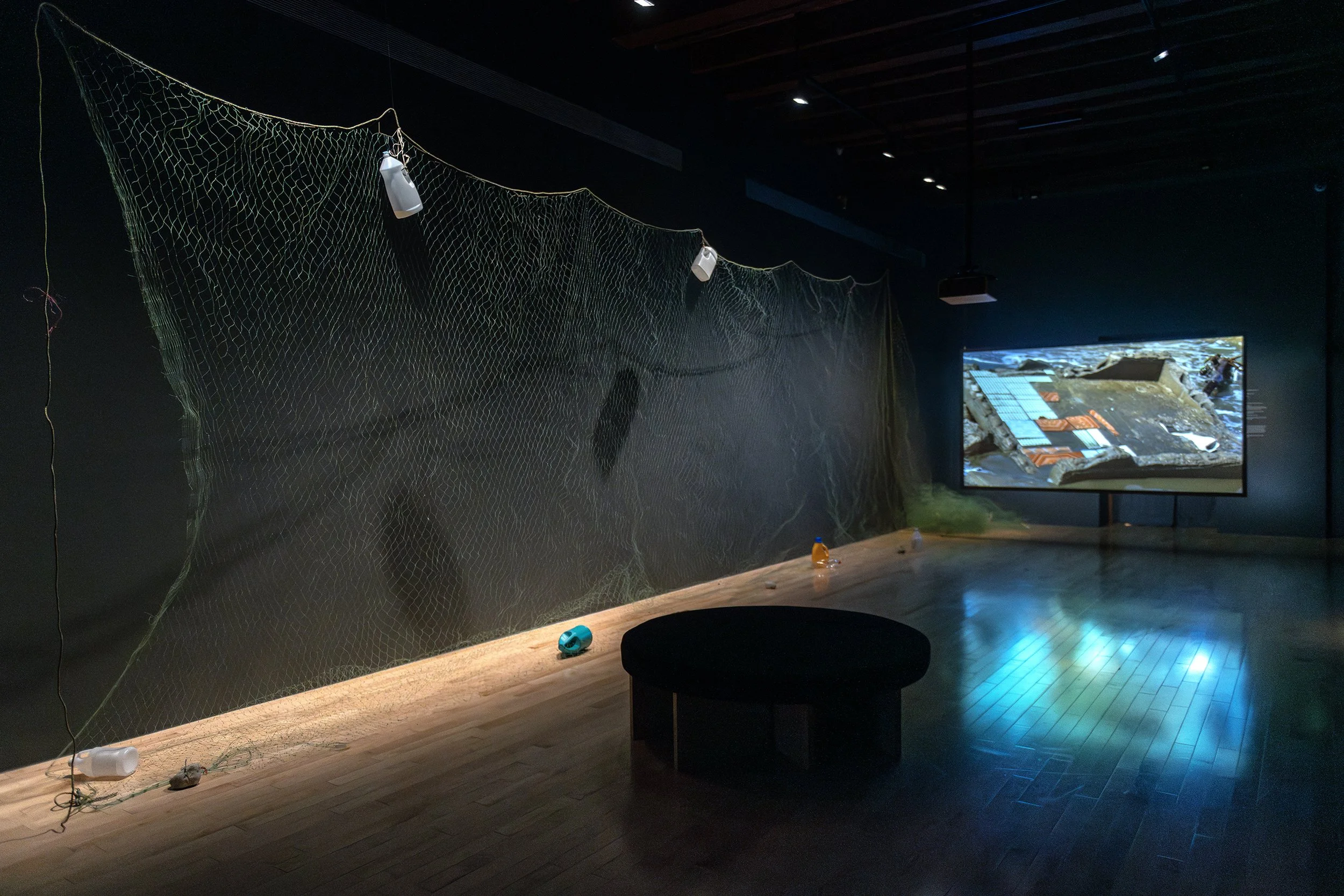
 Through videos, photographs, sculptures, archival materials, and works from Museo Amparo’s Collection of Pre-Hispanic Art, this exhibition asks about the possibility of reconciling the river with that from which it has been separated.
       
     
1_DSC_6294.jpg
       
     
 Flowing from the mountains of Guatemala to the Gulf of Mexico, the Usumacinta is considered the last living river in the country, due to its uninterrupted current and the diversity of flora and fauna it still sustains. Its current name carries the t
       
     
 Traces of the Usumacinta’s pre-Hispanic history can be found throughout the river basin, where ancient Maya peoples built cities and carved stone monuments. Known as  stelae , these monuments have been objects of admiration and study, but also of ex
       
     
4_DSC_6408.jpg
       
     
4_DSC_9745.jpg
       
     
 Maya stelae functioned as chronological records, but unlike statues in Western societies, they were not merely representations of rulers commemorating their achievements. Rather, they were stone embodiments that kept them alive as political actors b
       
     
5_DSC_9092.jpg
       
     
5_DSC_6418.jpg
       
     
5_DSC_9767.jpg
       
     
DSC_9238.jpg
       
     
Estelas del Usumacinta
       
     
Estelas del Usumacinta

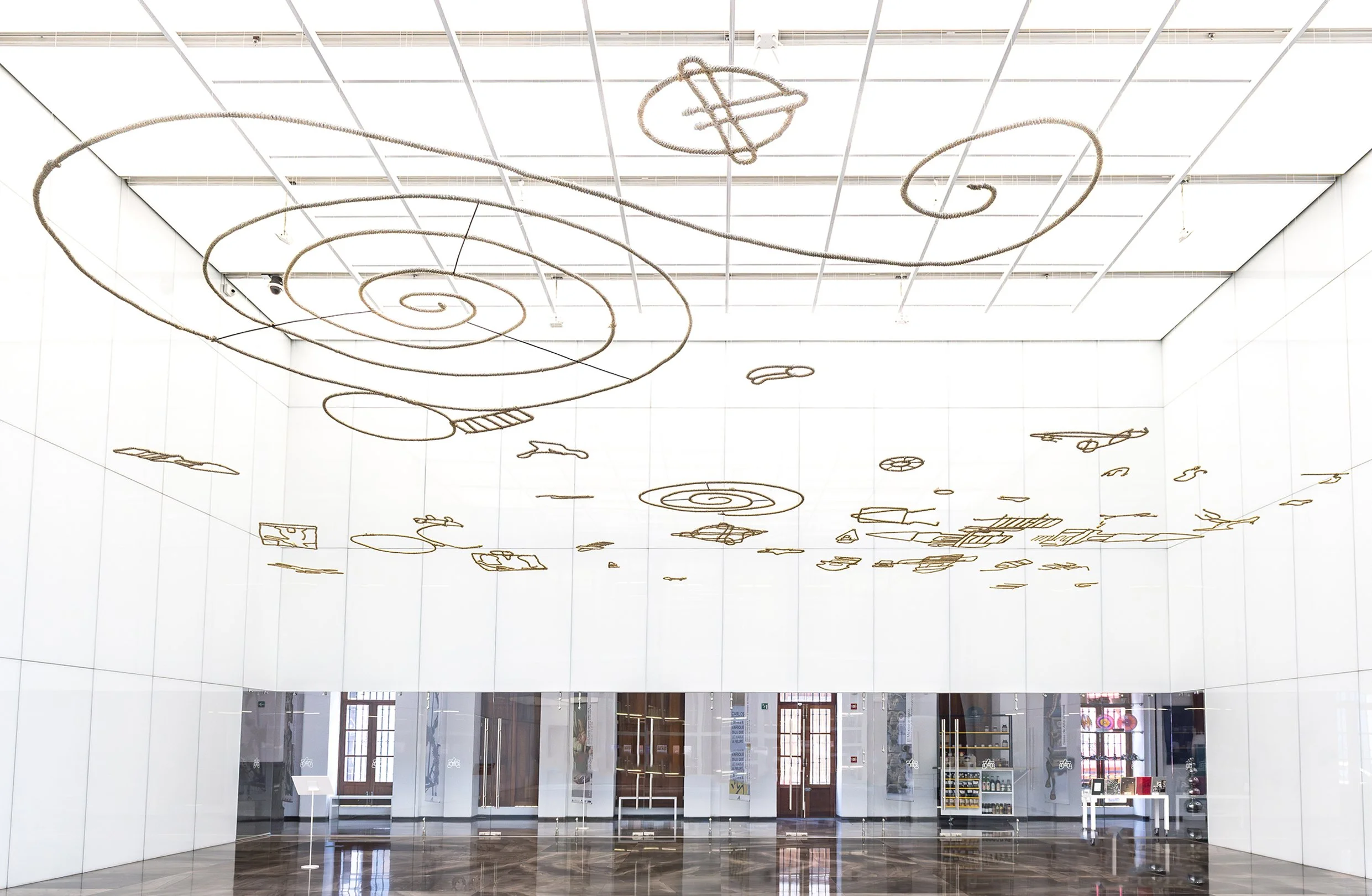
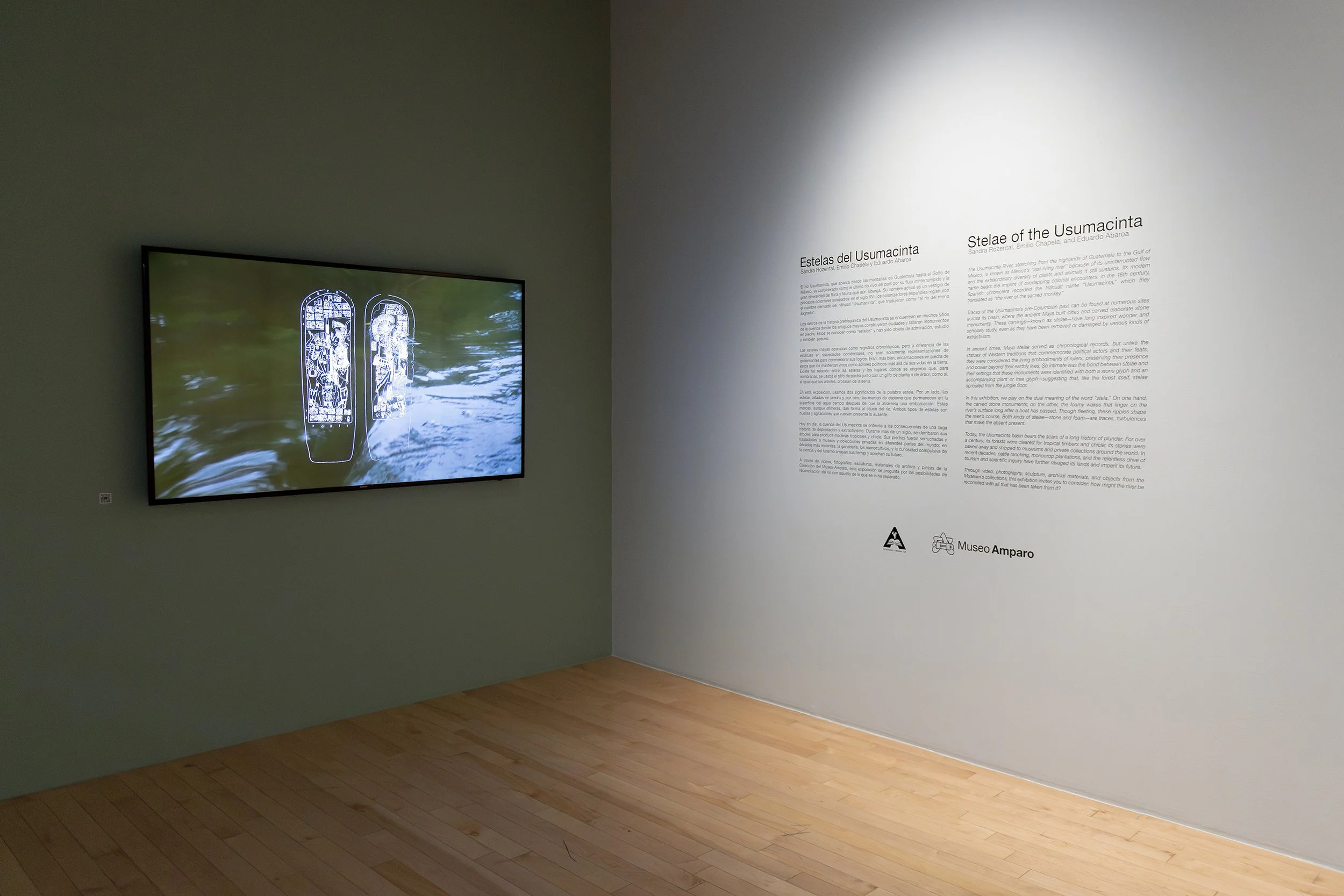
Conceived in co-authorship with Sandra Rozental and Eduardo Abaroa, this exhibition draws on two meanings of the Spanish word estela: carved stone stelae, and the traces of foam left on the water after a boat has passed. Though ephemeral, these marks shape the river’s course. Both are traces and disturbances that make the absent present.

 Today, the Usumacinta basin faces the consequences of a long history of extraction and predation. For more than a century, its trees were felled for tropical timber and  chicle . Its stones were cut out and transported to museums and private collect


Today, the Usumacinta basin faces the consequences of a long history of extraction and predation. For more than a century, its trees were felled for tropical timber and chicle. Its stones were cut out and transported to museums and private collections around the world. In more recent decades, cattle ranching, monocultures, and the compulsive curiosity of science and tourism have continued to devastate its lands and threaten its future.

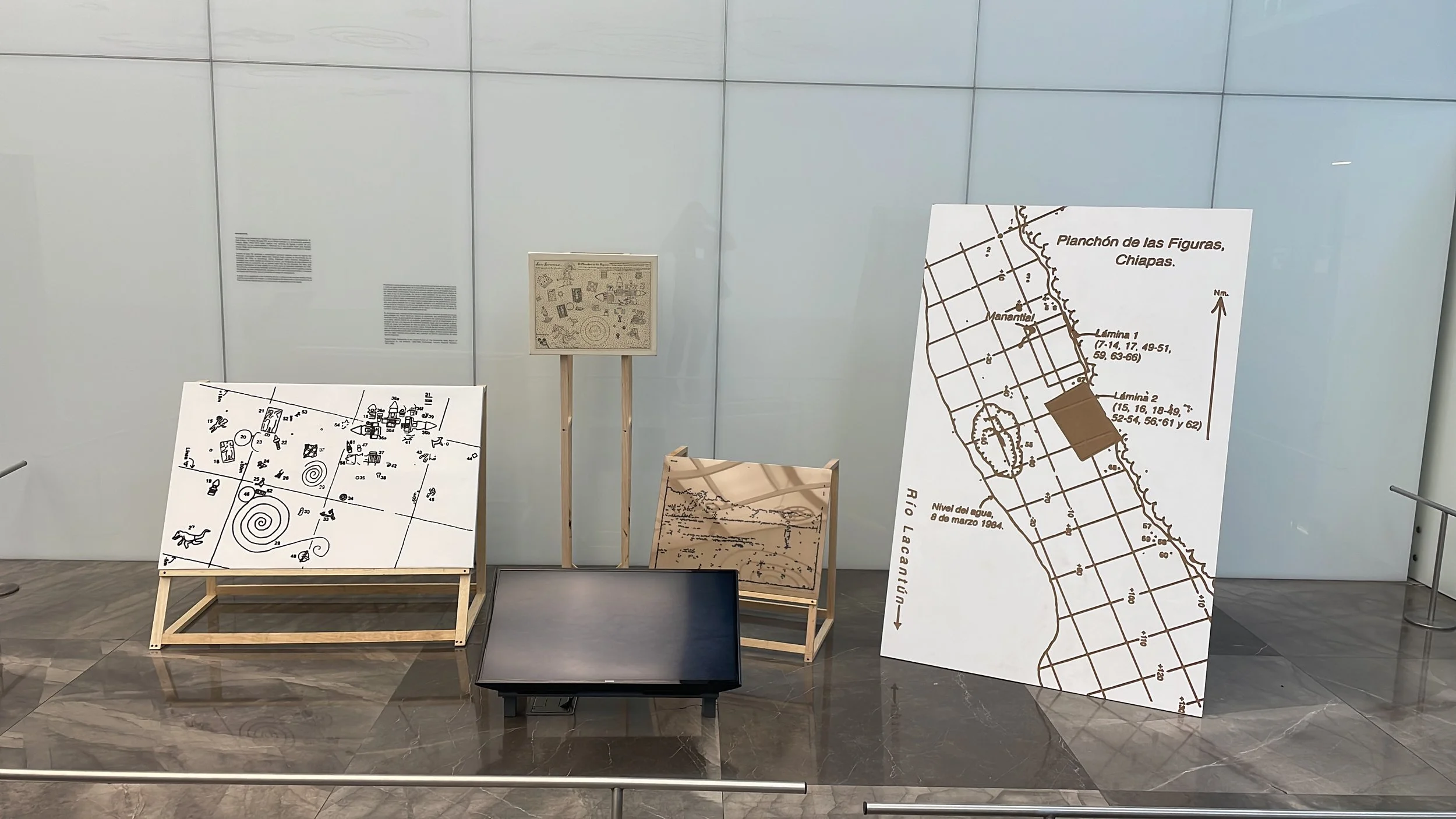
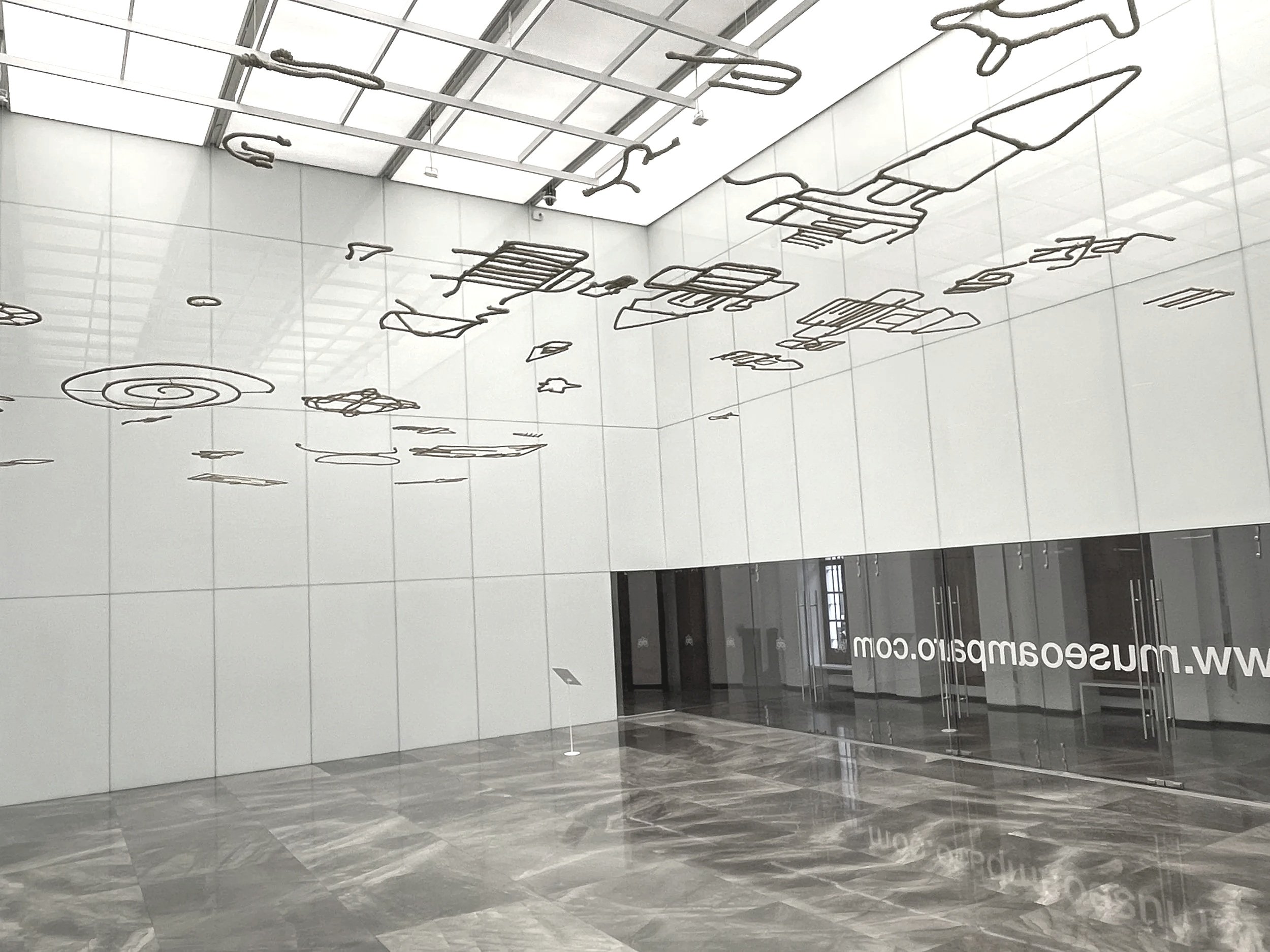
 Through videos, photographs, sculptures, archival materials, and works from Museo Amparo’s Collection of Pre-Hispanic Art, this exhibition asks about the possibility of reconciling the river with that from which it has been separated.


Through videos, photographs, sculptures, archival materials, and works from Museo Amparo’s Collection of Pre-Hispanic Art, this exhibition asks about the possibility of reconciling the river with that from which it has been separated.

1_DSC_6294.jpg
       
     
 Flowing from the mountains of Guatemala to the Gulf of Mexico, the Usumacinta is considered the last living river in the country, due to its uninterrupted current and the diversity of flora and fauna it still sustains. Its current name carries the t


Flowing from the mountains of Guatemala to the Gulf of Mexico, the Usumacinta is considered the last living river in the country, due to its uninterrupted current and the diversity of flora and fauna it still sustains. Its current name carries the trace of overlapping colonial histories: in the sixteenth century, Spanish colonizers recorded the Nahuatl-derived name Usumacinta, which they translated as “the river of the sacred monkey.”

 Traces of the Usumacinta’s pre-Hispanic history can be found throughout the river basin, where ancient Maya peoples built cities and carved stone monuments. Known as  stelae , these monuments have been objects of admiration and study, but also of ex


Traces of the Usumacinta’s pre-Hispanic history can be found throughout the river basin, where ancient Maya peoples built cities and carved stone monuments. Known as stelae, these monuments have been objects of admiration and study, but also of extraction.

4_DSC_6408.jpg
       
     
4_DSC_9745.jpg
       
     
 Maya stelae functioned as chronological records, but unlike statues in Western societies, they were not merely representations of rulers commemorating their achievements. Rather, they were stone embodiments that kept them alive as political actors b


Maya stelae functioned as chronological records, but unlike statues in Western societies, they were not merely representations of rulers commemorating their achievements. Rather, they were stone embodiments that kept them alive as political actors beyond their earthly lives. The relationship between stelae and the places where they were erected was so close that they were named using the glyph for stone alongside a plant or tree glyph, as if, like trees, they emerged from the forest.

5_DSC_9092.jpg
       
     
5_DSC_6418.jpg
       
     
5_DSC_9767.jpg
       
     
DSC_9238.jpg